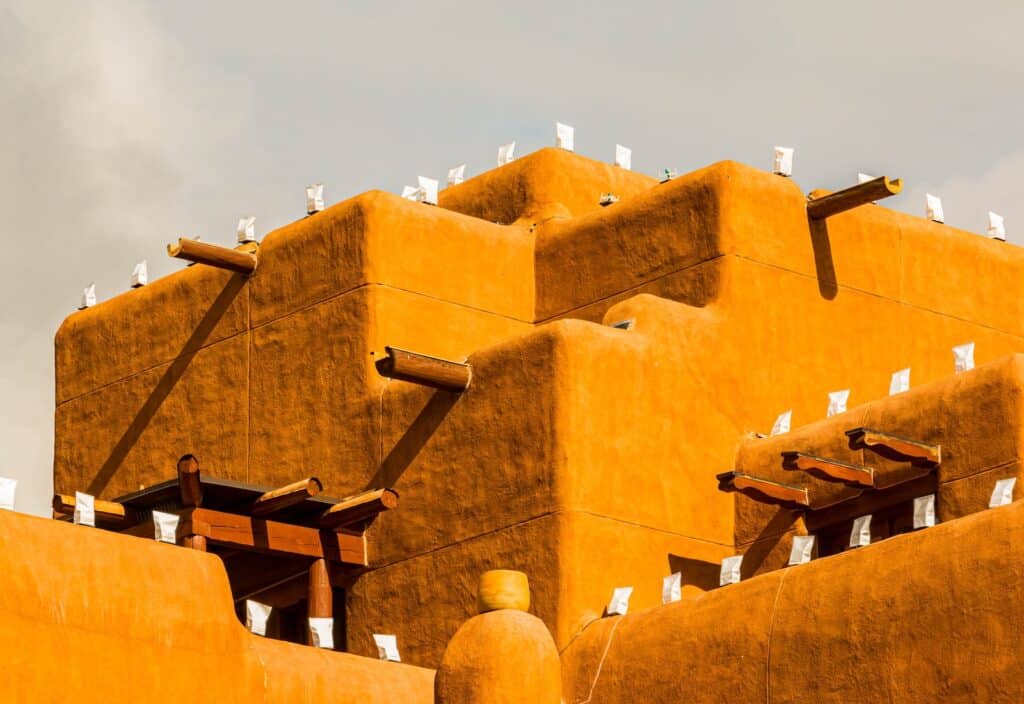
Christmas in Santa Fe doesn’t look like Christmas anywhere else. Alongside the holiday lights, the city glows with farolitos: small paper bags weighted with sand, each lit by a single candle and set in long rows along adobe walls, rooftops, and walkways. On Christmas Eve, thousands of people fill the streets around Canyon Road to walk among them, warm their hands at little piñon bonfires, and sing carols with whoever happens to be standing nearby.
We’ll admit we’re a little partial. Our Bed and Breakfast in Santa Fe, NM, is named for the farolito, and Christmas week is when that name comes to life. Below, you’ll find what to know about the Canyon Road Farolito Walk, the story behind the lanterns, the Plaza on Christmas Eve, and the pueblo dances that make the holiday here so different.
Planning a longer stay? Our guide to Santa Fe in December has the full month’s calendar, from concerts and holiday markets to New Year’s Eve on the Plaza.
Farolitos vs. Luminarias: Why Santa Fe Says “Farolito”
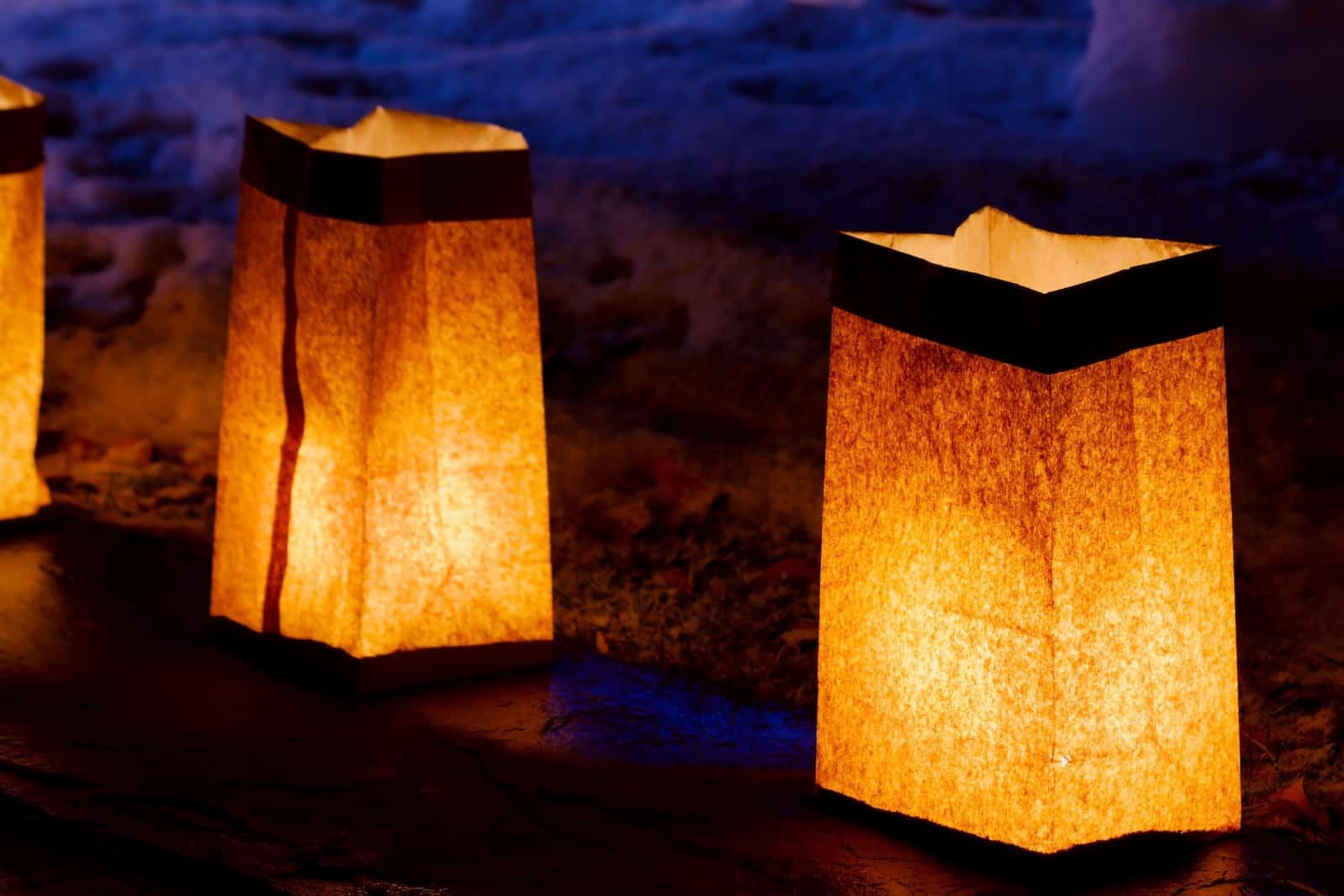
In Santa Fe, the candlelit paper bags are usually called farolitos, while luminarias traditionally refer to small bonfires. Farolito means “little lantern,” from farol, the Spanish word for lantern, and it’s the name people in northern New Mexico use for the paper lanterns. A luminaria, in that northern tradition, is a small bonfire of stacked wood, usually piñon or pine.
Head south over La Bajada and the vocabulary flips. “From the area of La Bajada down to Albuquerque and all points south, they’re called luminarias,” New Mexico State Historian Rob Martinez told the Albuquerque Journal. La Bajada is the long hill on I-25 between Santa Fe and Albuquerque, and it has long served as the unofficial border of this friendly argument.
The tradition grew in layers, and bonfires came first. A 1748 Franciscan account describes “many luminarias” on a feast night, which Martinez says likely meant bonfires. Chinese paper lanterns are thought to have made their way to New Mexico through Spanish trade, possibly arriving on the Manila galleons and traveling north on El Camino Real. Paper-bag lanterns developed later, after mass-produced bags became widely available in Territorial New Mexico in the late 1800s.
Even the experts admit the full story is a bit hazy. As Martinez puts it, “It’s folk culture. It’s folk history. It’s unrecorded.”
Christmas Eve on Canyon Road: The Farolito Walk
If you do one thing during Christmas in Santa Fe, make it the Canyon Road Farolito Walk. Every Christmas Eve, the galleries and homes along Canyon Road, Acequia Madre, and the surrounding east-side streets set out thousands of farolitos. The walk begins at sundown, and it’s free.
There’s no admission ticket or fixed route to follow. You simply wander. Carolers gather around small piñon bonfires, woodsmoke drifts over the adobe walls, and anyone is welcome to join in a carol. Many businesses close for the holiday, but a few galleries stay open, so you may be able to duck inside to warm up and look at art.
Tips for the Farolito Walk
- Leave the car behind. Many streets in the area close to vehicle traffic and parking on Christmas Eve. Canyon Road is within walking distance of our inn, which is one of the nicest perks of staying downtown this time of year. Check the City of Santa Fe’s announcements before you go for closure and parking details.
- Arrive around dusk. The walk begins at sundown, which comes early in December, so plan to reach Canyon Road around dusk and give yourself time to wander.
- Dress for the high desert. Santa Fe sits at about 7,000 feet, and December nights get cold quickly once the sun drops. Wear warm layers, a hat, gloves, and shoes with good grip in case of snow or ice.
- Bring the whole family. The Canyon Road merchants encourage it, and the walk is free for everyone.
- Eat first. Plan dinner before or after the walk, and reserve ahead, since many businesses close for the holiday.
The Plaza and Downtown on Christmas Eve
The Santa Fe Plaza is the other half of a Santa Fe Christmas. The city’s annual Plaza lighting sets the square aglow for the season, and it makes a lovely detour on your way to or from Canyon Road. Bundle up, find a bench, and take in the lights against the old adobe facades.
For many families, Christmas Eve also means Mass. The Cathedral Basilica of St. Francis of Assisi sits at the east end of San Francisco Street, just off the Plaza. Check cbsfa.org for the event dates and details. If you’d like to see more of the city’s sacred spaces, our guide to Santa Fe’s historic churches is a good place to start.
If you arrive a few days early, you’ll catch the music of Christmas week. The Santa Fe Desert Chorale performs Carols and Lullabies at the Cathedral Basilica, and Santa Fe Pro Musica presents A Baroque Christmas at St. Francis Auditorium in the New Mexico Museum of Art. You’ll find these, along with the rest of the month’s concerts and markets, in our Santa Fe in December guide.
Pueblo Christmas Dances
Some of the most moving Christmas traditions in northern New Mexico take place at the pueblos. Christmas Eve and Christmas Day bring dances and processions to several communities within driving distance of Santa Fe. These are religious ceremonies, not performances, and visitors are guests.
According to New Mexico Tourism, these are the traditions that typically take place near Santa Fe:
- Tesuque: dances after midnight Mass on December 24, and various dances on December 25.
- Nambé: Buffalo Dances after Mass on December 24.
- Ohkay Owingeh: the Matachines Dance and Pine Torch Procession on December 24, various dances on December 25, and the Turtle Dance on December 26.
- Taos: a sundown procession and bonfire on December 24, and various dances on December 25. Taos Pueblo prohibits cellphones and recording devices during its Christmas ceremonies, so leave your phone in the car.
These are recurring traditions, not a guarantee that every ceremony will be open to visitors this year. Each pueblo sets its own schedule and can change or close an event without notice, so call ahead before you go. The Indian Pueblo Cultural Center recommends contacting the pueblo at least two days in advance. Photography, video, audio recording, and sketching are generally prohibited unless a pueblo expressly permits them. Follow any direction from pueblo officials, and treat the day as the sacred occasion it is.
Christmas Day and the Days Around It
Christmas Day in Santa Fe is quiet, and that’s part of its charm. Many businesses close, so plan a slow day and make any dinner reservations well ahead. Take a morning walk through downtown while the streets are empty, drive out to one of the pueblo celebrations, or simply settle in with a book and enjoy the break.
If you’d rather spend the holiday outdoors, Ski Santa Fe is 16 miles from the Plaza. The mountain plans to operate on Christmas Day, with regular winter chairlift hours. Check conditions before you head up.
A little timing helps with one more holiday highlight. La Luz de las Noches, the Santa Fe Botanical Garden’s holiday lights, runs during select dates in December. Our post on the Santa Fe Botanical Garden’s holiday lights has the details, and our December guide covers New Year’s Eve on the Plaza.
Spend Christmas at El Farolito
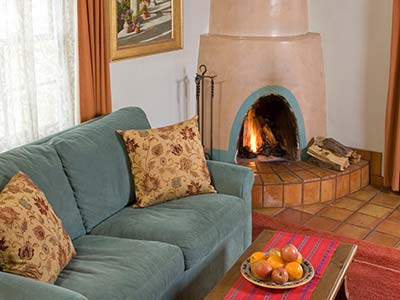
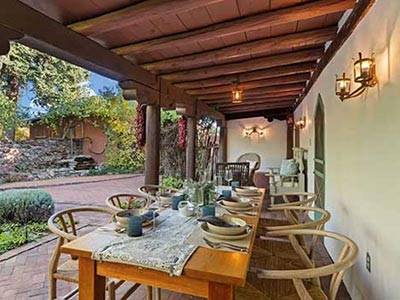
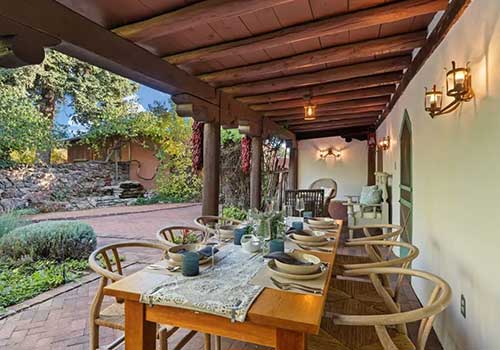
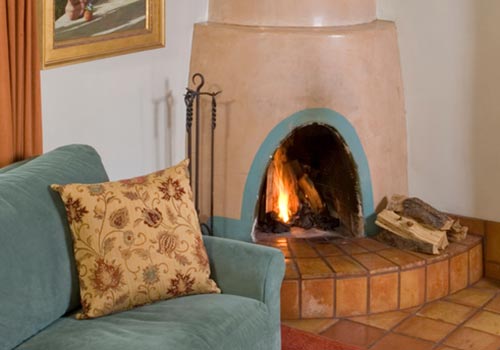
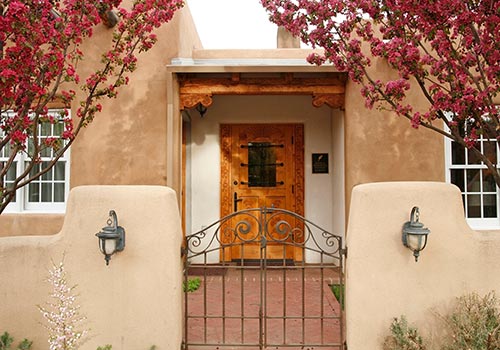
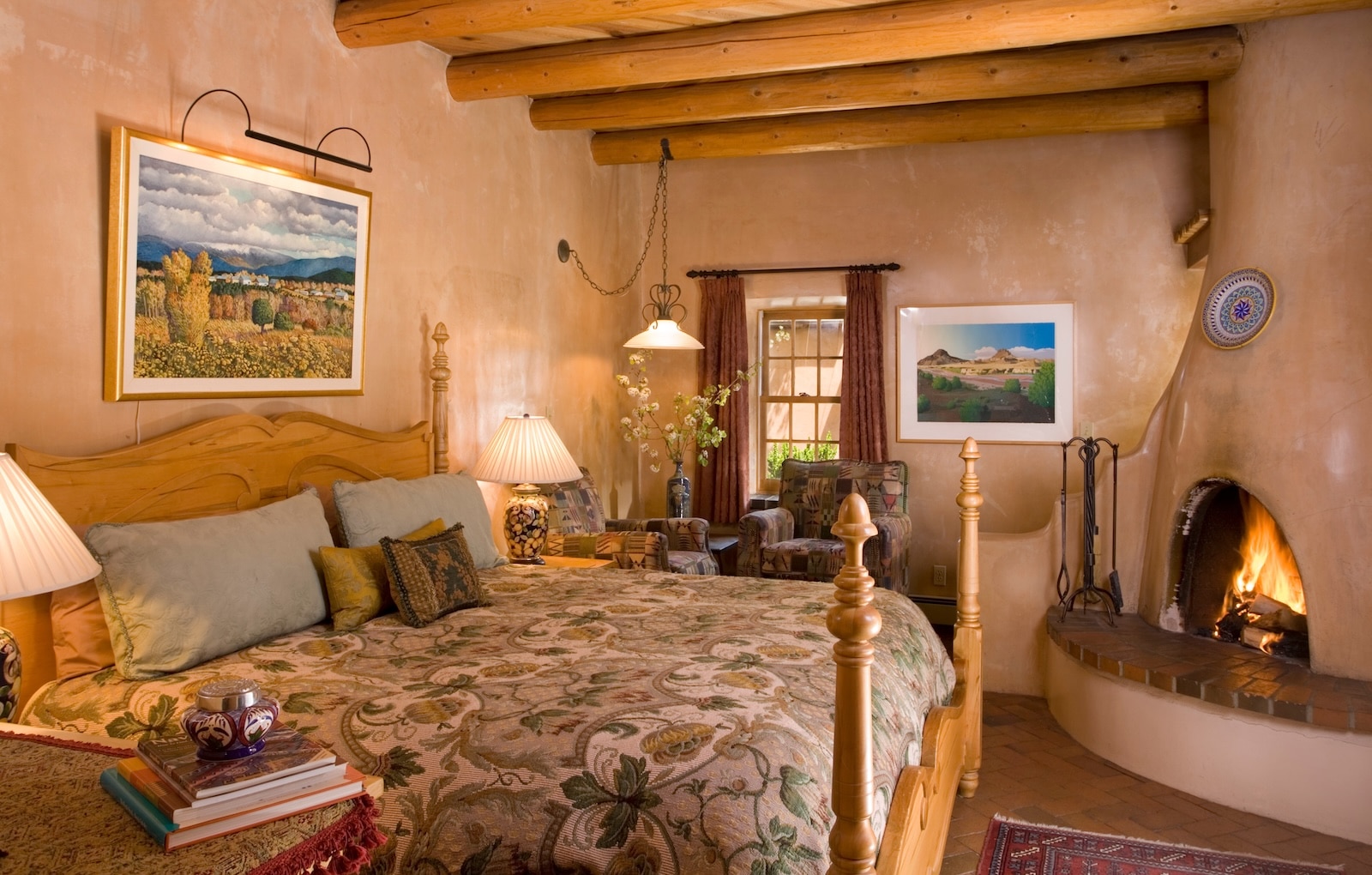
A Santa Fe Christmas is best on foot, and our location makes that easy. El Farolito is an adobe Bed and Breakfast in Santa Fe’s historic downtown, about a 10-minute walk from the Plaza, with Canyon Road also within walking distance. You can stroll to the Farolito Walk on Christmas Eve, take in the Plaza lights on your way home, and never worry about parking.
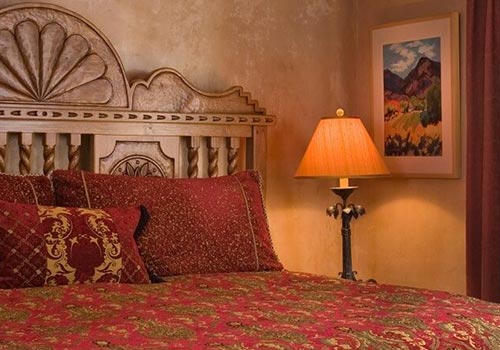
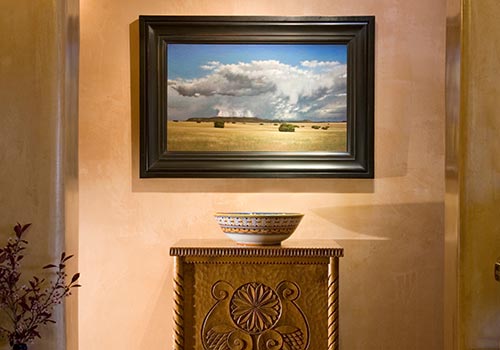
Our eight guest rooms and casitas are filled with original Native American and Spanish Colonial art, and each morning starts with a homemade breakfast before you head out to explore. TripAdvisor has recognized El Farolito with its Certificate of Excellence for more than 10 years, and we’d love to welcome you this holiday season.
If you’re ready to see Santa Fe by farolito light, book your Christmas stay today.
Christmas in Santa Fe: Frequently Asked Questions
Is Santa Fe a good place to spend Christmas?
Yes, especially if you like your holidays quiet, candlelit, and full of tradition. The Canyon Road Farolito Walk on Christmas Eve, the lights on the Plaza, and the pueblo dances make a Santa Fe Christmas unlike a typical city holiday. Expect cold nights and plan meals ahead, since many businesses close on December 24 and 25.
When is the Canyon Road Farolito Walk?
The Farolito Walk takes place every Christmas Eve, December 24. It begins at sundown and continues into the evening.
Where does the Farolito Walk take place?
The walk centers on Canyon Road, Santa Fe’s gallery district, and spreads onto Acequia Madre and the surrounding east-side streets. There’s no designated starting point, but Canyon Road begins at Paseo de Peralta, which makes a convenient place to start.
Where should I park for the Farolito Walk?
Many streets in the area close to cars and parking on Christmas Eve, so walking in is the easiest option. If you’re staying downtown, leave the car at your hotel or inn, and check the City of Santa Fe’s announcements before you go for closure and parking details.
Does the Farolito Walk cost anything?
No. The walk is free and open to everyone.
What’s the difference between farolitos and luminarias?
In Santa Fe and northern New Mexico, a farolito is a paper bag lantern lit by a candle, and a luminaria is a small bonfire. From La Bajada south through Albuquerque, people call the paper lanterns luminarias.
Is the Santa Fe Botanical Garden’s holiday light show open on Christmas?
No. La Luz de las Noches is closed on December 24 and 25.